
Why Charleston Cracks So Many Windshields — Local Road Hazards and How to Protect Your Glass
If it feels like your windshield takes more hits here than it did wherever you lived before, you're not imagining it. Charleston's combination of constant construction, heavy truck traffic, aged infrastructure, and unique geography creates conditions that are particularly hard on auto glass. After replacing windshields across the Lowcountry for years, we've learned where the problem areas are and what causes most of the damage.
The Never-Ending Construction Zones
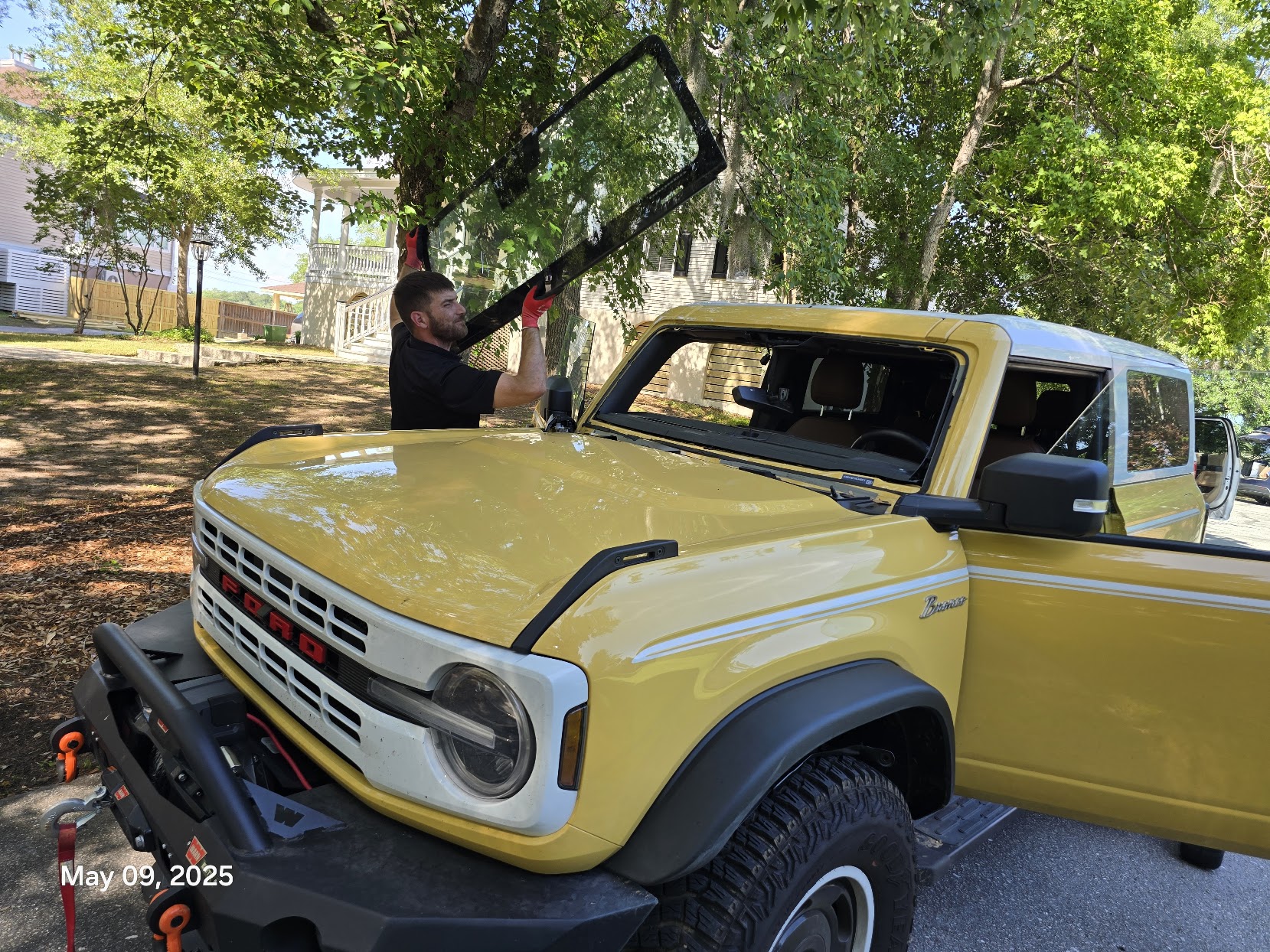
Charleston has been "growing" for two decades now, and the infrastructure can't keep up. Every major road seems to have an active construction project — and construction zones are windshield killers.
Highway 17 Through Mount Pleasant
The US-17 corridor from the Ravenel Bridge through Mount Pleasant is ground zero for windshield damage in Charleston County. The combination of high speeds, heavy traffic, and ongoing resurfacing work means loose aggregate is constantly being kicked up.
The Johnnie Dodds Boulevard section is particularly bad. Construction vehicles enter and exit regularly, tracking gravel and debris onto the roadway. During peak hours, you're surrounded by vehicles close enough to send rocks directly at your glass. We see more chips originating on this stretch than any other single road in the area.
I-526 Widening Project
The I-526 widening project has been going on for years and will continue for years more. If you commute through North Charleston or West Ashley on 526, you're driving through an active construction zone daily. Lane shifts, temporary surfaces, and work vehicles all contribute to debris exposure.
I-26 Corridor
I-26 between Charleston and Summerville carries enormous volumes of truck traffic — commercial vehicles heading to and from the port, delivery trucks supplying the entire Lowcountry, and construction equipment for countless development projects. Trucks kick up more debris than cars, and their tires pick up and throw larger objects.
The stretch around Ladson and Goose Creek exits sees particularly heavy commercial traffic. If you're commuting on I-26, give trucks extra following distance — not just for safety, but for your windshield.
Port Traffic and Commercial Vehicles
The Port of Charleston is one of the busiest on the East Coast, and all that cargo moves on trucks. The routes between the port terminals and I-26 — particularly Rivers Avenue, Spruill Avenue, and the Meeting Street connector — see constant heavy vehicle traffic.
Commercial trucks have different tire compositions than passenger vehicles. Their tires pick up and throw larger debris at higher velocities. Container chassis often travel empty, which makes them lighter and more likely to bounce over road imperfections, launching whatever's in their path.
If you work in North Charleston or commute through the area regularly, you're exposed to these conditions daily. We see a disproportionate number of windshield replacements from customers who work near the port or naval base.
Island Roads and Beach Access
The sea islands around Charleston have their own set of challenges. Beach communities deal with sand and shell fragments that standard road sweeping can't fully address.
Folly Road Corridor
The drive out to Folly Beach along Folly Road is deceptively hazardous. The road surface in some sections has deteriorated, and the constant traffic to and from the beach tracks sand and debris. The stretch through James Island has seen significant development, adding construction-related debris to the mix.
Bohicket Road to Kiawah and Seabrook
The single access road to Kiawah Island and Seabrook Island through Johns Island is narrow, winding, and shared with agricultural vehicles. Tractors and farm equipment track mud and debris onto the pavement. The road surface itself has sections in poor condition, and there's limited shoulder for debris to be swept onto.
Crushed Shell Driveways and Roads
Many island properties still have crushed oyster shell driveways — a Lowcountry tradition, but rough on windshields. Shells kick up easily and have sharp edges. If you regularly drive on shell roads or have visitors coming down shell driveways, you'll eventually take a hit.
Seasonal Hazard Patterns
Windshield damage in Charleston follows predictable seasonal patterns. Understanding when risk is highest can help you be more cautious.
Spring: Construction Season Begins
March through May is when road construction kicks into high gear. Projects that paused over winter resume, new projects begin, and material deliveries increase. Spring is our busiest season for chip repairs — the combination of fresh construction activity and still-moderate temperatures (before summer slows outdoor work) creates peak exposure.
Summer: Tourist Traffic
Beach traffic dramatically increases overall vehicle density, especially on routes to Folly, Isle of Palms, Sullivan's Island, and the resort islands. More vehicles means more debris being kicked around. Summer also brings afternoon thunderstorms that wash debris across roadways and create conditions where standing water hides hazards.
Hurricane Season: Storm Debris
Even minor tropical systems leave debris behind. Tree branches, palm fronds, roofing materials, and general storm debris end up on roads. The days immediately following any significant storm see elevated windshield damage across the area. We prepare for post-storm demand every year.
Winter: Temperature Stress
Charleston winters are mild, but we still get cold snaps. The temperature swing from a 35°F morning to a 65°F afternoon puts stress on existing chips and cracks. Small damage that's been stable for months can suddenly spread during winter temperature fluctuations. If you've got a chip you've been ignoring, get it repaired before the first cold front.
Protecting Your Windshield
You can't completely eliminate the risk of windshield damage in Charleston, but you can reduce it significantly.
Increase Following Distance
Most windshield chips come from debris thrown by the vehicle directly ahead of you. The standard three-second following distance isn't enough in debris-heavy areas. On construction zones, behind trucks, or on roads with visible debris, increase to five or six seconds. Yes, someone will probably cut in front of you. That's still better than a cracked windshield.
Give Trucks Wide Berth
This applies to semis, dump trucks, construction vehicles, and anything towing a trailer. Stay out of the lane directly behind trucks when possible. If you must follow a truck, maximize your distance. When passing, do it quickly — don't cruise alongside where debris can arc into your path.
Slow Down in Construction Zones
Speed limits in construction zones aren't just about worker safety — lower speeds reduce the energy of debris impacts. A rock hitting your windshield at 45 mph delivers significantly less force than one at 65 mph. The same hit that causes a chip at highway speed might only cause a pit at lower speed.
Repair Chips Quickly
A small chip can often be repaired for under $100. Left alone, it will likely spread into a crack that requires full replacement. Temperature changes, road vibration, and additional impacts all cause chips to expand. Fix them while they're small. If your vehicle has a forward-facing camera or sensors, ADAS calibration is required after any windshield replacement — another reason to repair early before a chip becomes a crack.
Learn more about chip repair →
Did you know? South Carolina law may waive your deductible entirely on windshield repair if you carry comprehensive insurance. Learn about SC's zero-deductible law →
Highest-Risk Roads and Areas
Based on where our customers' damage occurs, here are the most hazardous roads and areas in the Charleston metro:
High Risk
- US-17 through Mount Pleasant — ongoing construction, heavy traffic
- I-26 Ladson to North Charleston — truck traffic, port connections
- Rivers Avenue — commercial vehicles, poor surface conditions
- I-526 active construction zones — lane shifts, debris
Moderate Risk
- Folly Road — beach traffic, aging pavement
- Savannah Highway (US-17 South) — heavy commuter traffic
- Johnnie Dodds Blvd — construction staging area
- Dorchester Road through Summerville — rapid development
Seasonal/Variable Risk
- Bohicket Road — agricultural equipment, shell debris
- SC-171 to James Island — beach season traffic spikes
- Coleman Blvd — waterfront construction projects
- Clements Ferry Road — Daniel Island development traffic