
Windshield Damage Guide — Understanding Chips, Cracks, and When Repair Works
A rock bounced off your windshield and now you've got a chip — or maybe a crack. Can it be repaired, or do you need a whole new windshield? The answer depends on several factors: what type of damage you have, how big it is, where it's located, and how quickly you address it. This guide will help you understand what you're looking at and what your options are.
Types of Windshield Damage
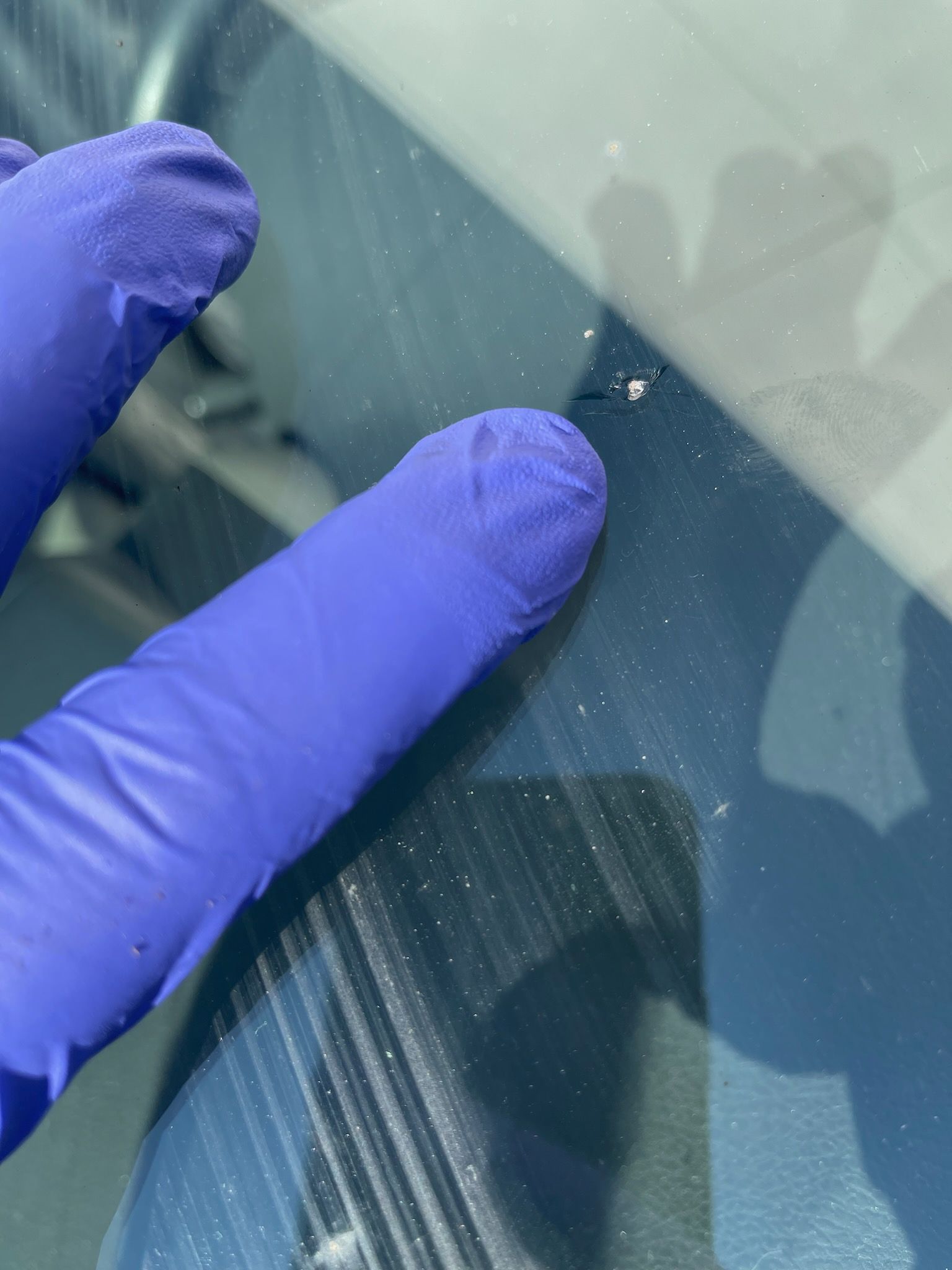
Not all windshield damage is the same. The type of impact, the angle of the strike, and the condition of the glass all affect what kind of damage results. Here's what we see most often:
Chip Damage
Chips are small impact points where a piece of glass has been knocked out or fractured, but no significant cracks extend from the point of impact. Most chips are caused by rocks or road debris hitting the windshield head-on.
Bull's Eye
A circular chip with a cone-shaped piece of glass missing from the outer layer. Looks like a small dark circle, usually about the size of a pencil eraser or smaller. This is the classic "rock chip" appearance and one of the most repairable damage types.
Half-Moon (Partial Bull's Eye)
Similar to a bull's eye but only partially circular — the impact hit at an angle rather than straight on. Equally repairable if the size is small.
Star Break
A central impact point with short cracks radiating outward like a star. The legs of the star are typically short (under an inch). Star breaks are repairable if the overall diameter is under 3 inches and the legs haven't started spreading.
Combination Break
Multiple damage types in one — for example, a bull's eye with a star pattern around it, or a chip with one or more short cracks extending from it. Repairability depends on total size.
Crack Damage
Cracks are lines of damage that extend across the glass. They can start from an impact point or appear spontaneously due to stress (temperature changes, manufacturing defects, or structural flex).
Stress Crack
A crack that appears without any visible impact point. Usually starts at the edge of the windshield and extends inward. Often caused by temperature extremes — that sudden crack you hear when you blast the defroster on a cold morning. Stress cracks almost always require replacement because they typically start at or reach the edge.
Floater Crack
A crack in the middle of the windshield that doesn't touch any edge. These sometimes start from invisible damage points or minor chips. If under 3 inches and not in the driver's line of sight, floater cracks can sometimes be repaired.
Edge Crack
A crack that starts within 2 inches of the windshield edge or reaches the edge. Edge cracks compromise structural integrity more severely than central damage and typically require replacement.
Pit Damage
Small divots or pockmarks in the glass, usually caused by sand or small debris at high speed. Individual pits aren't usually a problem, but heavy pitting across the windshield can cause glare and reduced visibility — especially at night or when the sun is low. Pitting can't be repaired; heavily pitted windshields eventually need replacement.
Repair vs. Replacement: The Decision Criteria
The fundamental question: can this damage be fixed with resin injection, or does the whole windshield need to come out? Several factors determine the answer.
Size
Industry standard says chips up to about 1 inch in diameter (roughly the size of a quarter) and cracks up to 3 inches long can usually be repaired. Some shops push these limits; we generally stay within them because larger repairs have higher failure rates.
Typical Repair Limits
- Chips: Up to 1 inch diameter
- Cracks: Up to 3 inches length
- Star breaks: Up to 3 inches total diameter
- Combination damage: Under 3 inches total spread
Location
Where the damage sits on your windshield affects whether repair is appropriate:
- Driver's direct line of sight: Repair leaves a small visible mark. In your direct field of view, this can be distracting. Many drivers opt for replacement when damage is directly in front of them, even if technically repairable.
- Edge damage: Damage within 2 inches of any edge often can't be repaired because the repair equipment can't create a proper seal. Edge damage also affects structural integrity more seriously.
- Camera zone: If damage is in the area near your rearview mirror (where ADAS cameras are mounted), repair may interfere with camera function. We assess this case by case.
- Peripheral areas: Damage in the outer areas of the windshield is usually a good candidate for repair since visibility impact is minimal.
Depth
Your windshield is actually two layers of glass bonded to a plastic interlayer. Most chips and cracks affect only the outer layer — these are repairable. Damage that penetrates through both layers (you can feel it on the inside of the windshield) requires replacement.
Contamination
Repair works by injecting resin into the damaged area. If dirt, water, or cleaning chemicals have gotten into the crack, the resin can't bond properly. Fresh damage repairs better than damage that's been ignored for weeks.
This is why we tell people not to put tape over chips — the adhesive contaminates the damage and can make repair impossible. If you want to cover a chip temporarily, use a clear plastic bag or wrap loosely over the area.
Age and Spread
Damage that's actively spreading is harder to repair. If your crack gets longer every time you hit a bump, replacement is probably inevitable — repair might stop the spread temporarily, but the underlying stress is still there.
Quick Reference: Repair Likely vs. Replacement Needed
✓ Repair Usually Works
- Chip smaller than a quarter
- Crack shorter than 3 inches
- Damage NOT in driver's direct sightline
- Damage NOT touching any edge
- Only the outer layer is damaged
- Damage is relatively fresh
- Three or fewer chips total
✗ Replacement Usually Needed
- Crack longer than 3 inches
- Damage directly in driver's line of sight
- Crack starts from or reaches the edge
- Spider-web or starburst patterns
- Both glass layers damaged
- Multiple intersecting cracks
- Previous repair has failed
- More than three damage points
How Windshield Repair Works
Windshield repair is a straightforward process when done correctly. Understanding what's involved can help you set realistic expectations.
The Repair Process
- Inspection: We examine the damage to confirm repair is appropriate. If replacement is actually needed, we'll tell you — there's no point wasting time on a repair that won't hold.
- Cleaning: Any loose glass fragments are removed and the damaged area is cleaned. If moisture is present, we dry it before proceeding.
- Resin injection: A specialized injector is positioned over the damage and professional-grade resin is forced into the chip or crack under pressure. The resin fills air pockets and bonds with the surrounding glass.
- Curing: UV light hardens the resin, creating a permanent bond. This takes about 10-15 minutes.
- Finishing: Excess resin is scraped away and the repair is polished smooth. The result should be nearly invisible from outside the vehicle.
What to Expect After Repair
A good repair restores structural integrity and prevents the damage from spreading. It does NOT make the damage invisible — a faint mark usually remains visible from certain angles or lighting conditions.
Repair success rate on appropriate damage (meeting the criteria above) is over 90%. The repair is permanent and lasts the life of the windshield. We warranty our repairs — if the damage spreads from a repaired point, we credit the repair cost toward replacement.
Cost Comparison: Repair vs. Replacement
Chip Repair
$125 - $149
Single chip repair starts at $125. Additional chips on the same windshield are typically $25 each. Most repairs take about 30 minutes.
Windshield Replacement
$300 - $600+
Full replacement varies by vehicle. Standard vehicles start around $300; vehicles requiring ADAS calibration or specialty glass run higher. Installation takes 60-90 minutes.
With South Carolina's zero-deductible glass law, either repair or replacement is typically covered at no cost if you have comprehensive insurance. We handle the insurance claim process for you.
Damage Assessment FAQ
Should I Cover the Chip With Tape?
No. Tape adhesive can contaminate the damage and make repair more difficult. If you want to protect the chip temporarily (to keep dirt out), use clear plastic wrap or a sandwich bag held loosely in place. Don't press anything sticky directly onto the damage.
How Long Can I Wait Before Repairing?
The sooner, the better. Fresh damage repairs more successfully than aged damage. More importantly, small chips can spread into large cracks — especially with Charleston's temperature swings. A $125 repair today could save you from a $400 replacement next week.
Can I Use a DIY Repair Kit?
DIY kits exist, but results are inconsistent. The resin quality, injection pressure, and curing process all matter. A poor DIY repair can leave visible marks and may not restore structural integrity. Worse, it can contaminate the damage so professional repair becomes impossible. If the kit fails, your only remaining option is replacement.
Will Repair Pass SC Vehicle Inspection?
South Carolina doesn't have regular safety inspections, but the state does require "unobstructed" forward vision. A proper repair that restores visibility should not create any issues. If damage was in the driver's direct line of sight and is still visually distracting after repair, replacement might be the better choice.
Not Sure If Yours Can Be Repaired?
Email us a photo. Seriously — send a picture to submissionsmissionautoglass@gmail.com and we'll tell you what you're looking at and what we recommend. No charge for the assessment, no pressure to book anything.